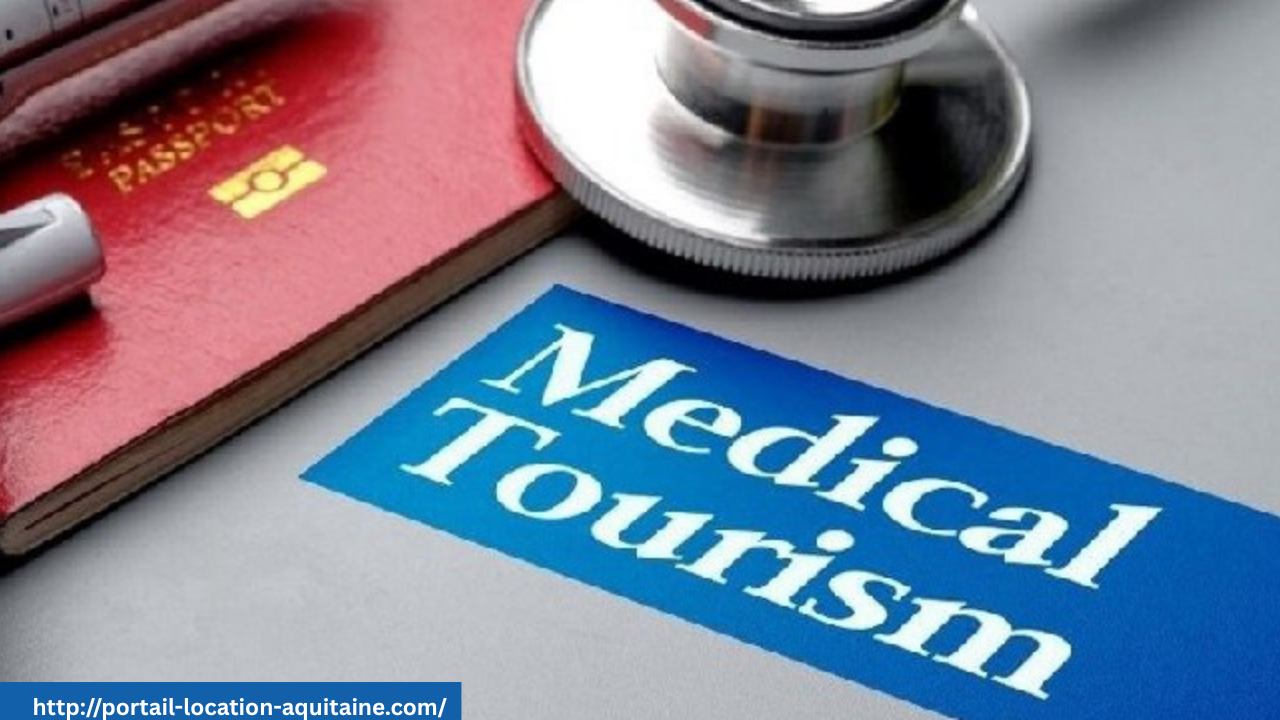
Medical tourism is no longer just about traveling abroad for a cheaper surgery or cosmetic procedure. It is evolving into a sophisticated, tech-driven global healthcare system that connects patients with world-class medical services beyond their home country’s borders. The next generation of medical tourism is redefining how healthcare is delivered, experienced, and accessed—ushering in a future where borders are no longer barriers to care.
The Digital Transformation of Medical Travel
The rise of telemedicine has transformed the first step of the medical tourism journey. Today, patients can consult with doctors across the globe from the comfort of their homes, using secure video calls and remote diagnostic tools. This digital connection allows patients to get second opinions, pre-surgical assessments, and post-operative follow-ups without setting foot on a plane.
Artificial Intelligence (AI) is also playing a growing role in global healthcare. AI-powered systems can assist in diagnosing illnesses, analyzing medical images, and recommending personalized treatment plans. These technologies help bridge the gap between patient needs and specialized care, making it easier for individuals to find the right providers anywhere in the world.
Specialization and Cutting-Edge Treatments
The next generation of medical tourism emphasizes specialized care that may not be readily available in a patient’s home country. From stem cell therapies and robotic surgeries to advanced cancer treatments and precision medicine, many healthcare travelers are seeking innovative procedures abroad that offer better outcomes.
Countries are investing heavily in medical research and infrastructure to attract global patients. Hospitals are collaborating internationally, sharing knowledge and developing centers of excellence in fields like cardiology, orthopedics, reproductive health, and minimally invasive surgery.
Luxury and Wellness Integration
Modern medical tourists are not just looking for treatment—they’re looking for an experience. High-end hospitals now offer concierge services, private suites, and wellness-focused recovery programs. Medical tourism is merging with luxury travel and wellness tourism, providing holistic care that includes nutrition, stress management, and rehabilitation in serene environments.
Patients might combine a knee replacement surgery with a stay in a wellness resort, or undergo a cancer treatment protocol while enjoying supportive therapies such as meditation, spa treatments, and therapeutic recreation.
Addressing Challenges and Ethical Considerations
Despite its advancements, the global medical tourism industry faces critical challenges. Regulatory differences between countries, variations in medical standards, and the risk of complications abroad are key concerns. Additionally, there are ethical considerations regarding equitable access to healthcare—local populations in destination countries may face longer wait times as resources are diverted to international patients.
To build trust, governments and healthcare providers must establish clear regulations, improve transparency, and ensure continuity of care for traveling patients.
The Future of Global Healthcare
The next generation of medical tourism is not just about seeking affordable care but about connecting patients with the best healthcare solutions worldwide. As technology advances and healthcare becomes more globalized, patients will have greater control over their medical decisions, choosing providers and treatments that best meet their needs—regardless of geography. In this future, healing will truly be a borderless experience.